Why the drainage layer matters
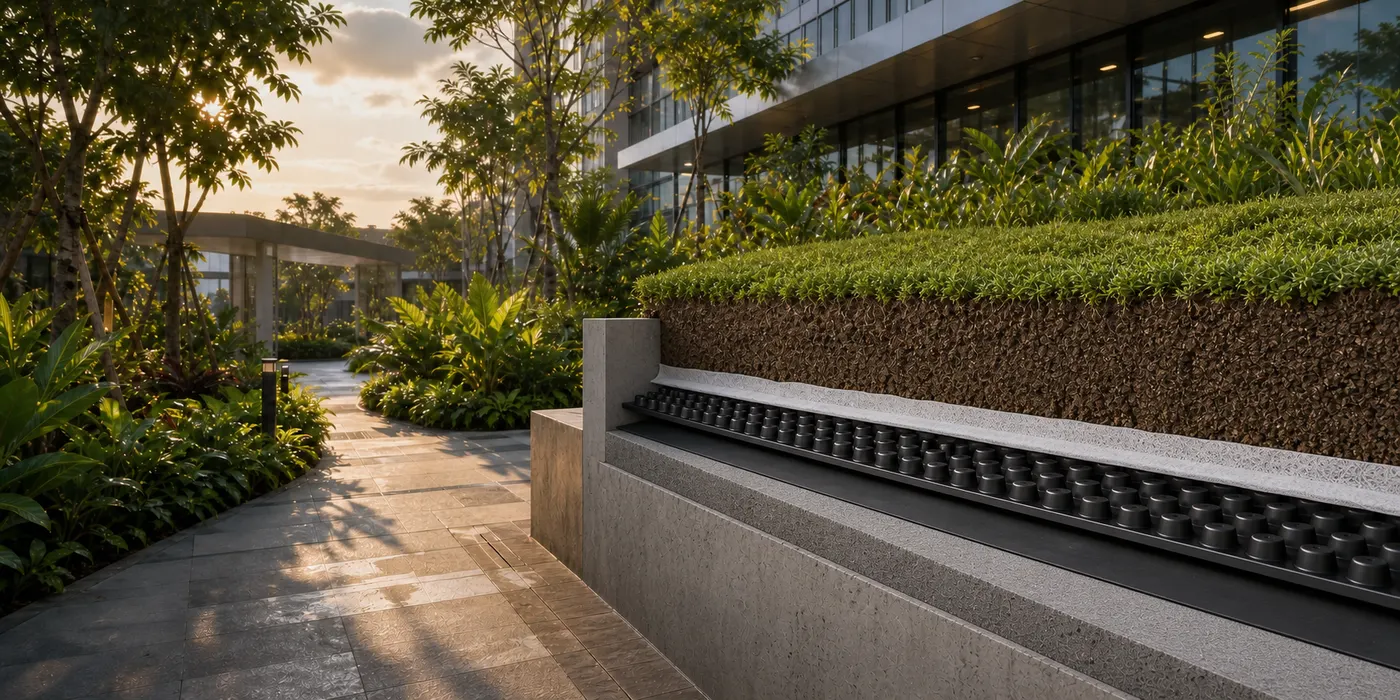
Artificial grass sheds water through its backing, but that water still needs a continuous path to the outlet. On a roof or podium deck, drainage cell can create a lightweight void below the finish and reduce the chance that small surface irregularities block flow.
Typical build-up
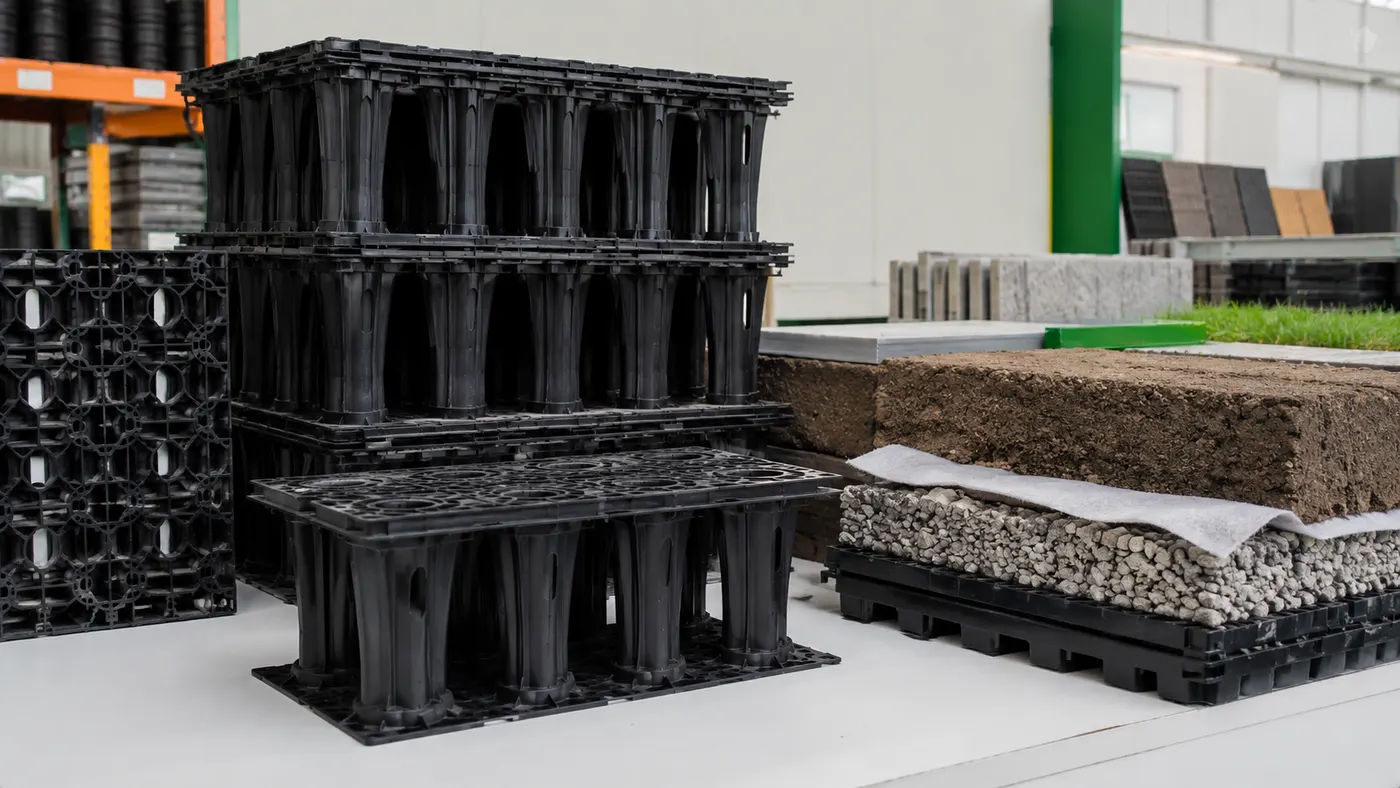
A common sequence is the waterproofed deck, compatible protection layer, VersiCell drainage cell, separation geotextile where required, a stable levelling or shock-pad layer and the artificial turf system. Final details depend on the turf supplier, expected use and fire or accessibility requirements.
Installation checks
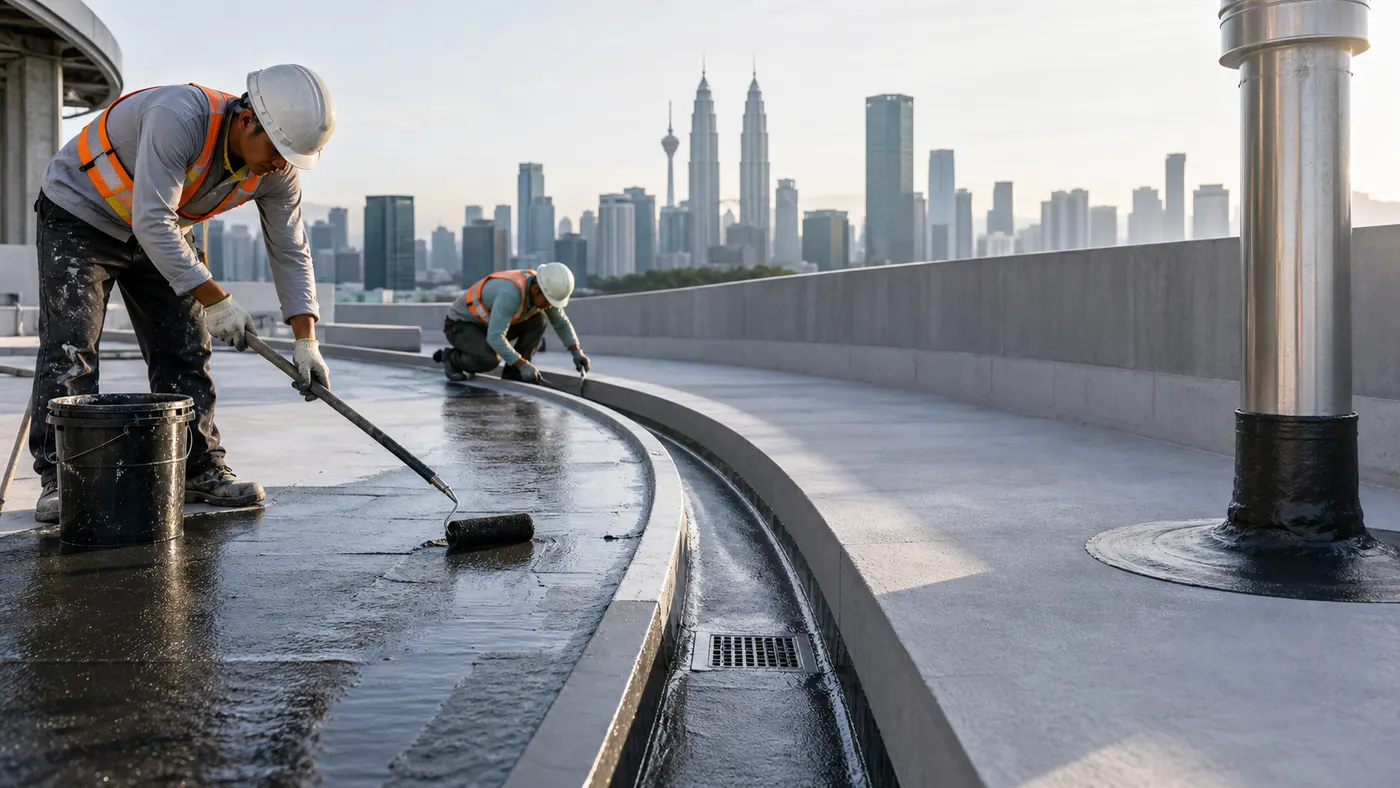
Inspect and test the membrane before covering it. Lay the drainage cells tightly, trim cleanly at penetrations and keep all drainage paths connected. Geotextile laps should face away from the direction of installation so they are not pulled open by following work.
- Confirm the deck falls and outlet capacity.
- Protect the membrane during cutting and material movement.
- Provide removable access above outlets.
- Restrain turf edges without blocking drainage.
Information to send for product selection
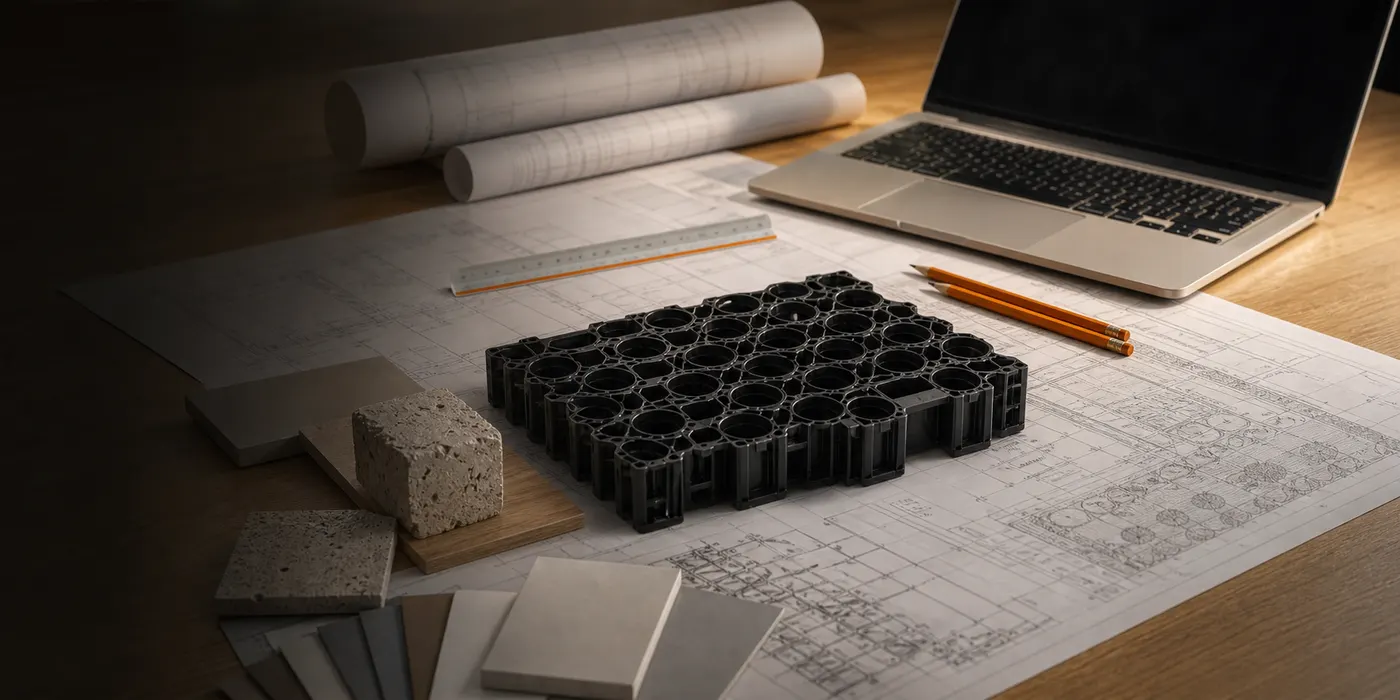
Share the plan area, deck type, expected foot traffic, build-up depth, outlet layout and artificial turf specification. These details help confirm whether the drainage cell and surrounding layers fit the actual use.